 Save
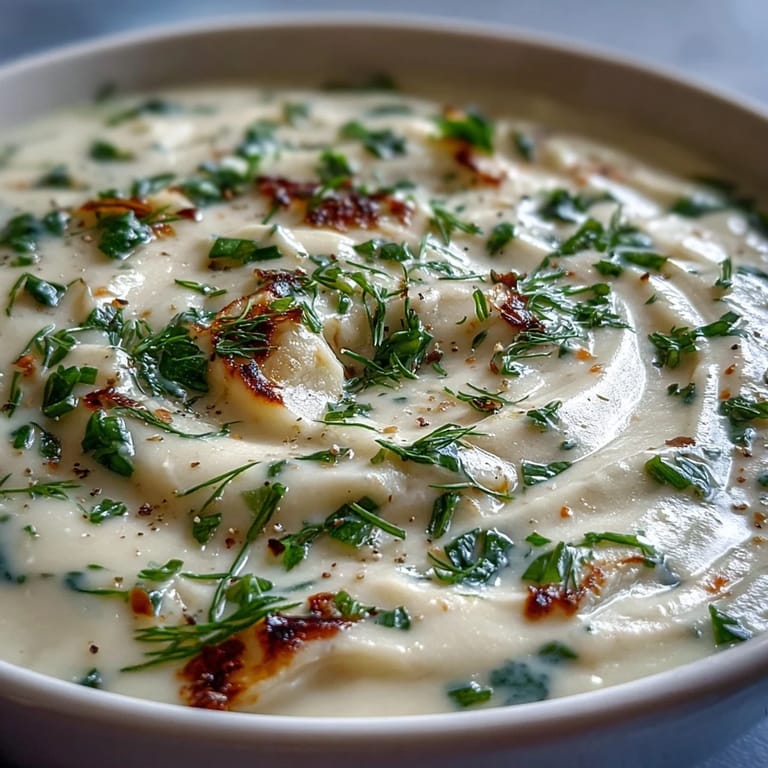
Save There's something about the smell of roasting parsnips that fills a kitchen with an almost unexpected sweetness. I discovered this soup on a grey afternoon when I had a bag of parsnips sitting in my vegetable drawer and absolutely no plan for them. What started as a bit of kitchen improvisation turned into something I now make whenever the weather turns cold, mostly because it's the kind of dish that feels both simple and impressive at the same time.
I made this for my mum when she visited last winter, worried it might be too adventurous since she's not always keen on parsnips. Watching her take that first spoonful and then immediately ask for the recipe was one of those quiet kitchen victories that stays with you.
Ingredients
- Parsnips: Look for medium-sized ones that feel firm and aren't too woody in the centre, as they blend into the silkiest base.
- Onion: One medium onion adds sweetness that balances the earthiness without overwhelming the parsnip flavour.
- Garlic cloves: Just two cloves keep things subtle so the garlic doesn't steal the show.
- Potato: This helps create that creamy texture without needing loads of cream, making it feel indulgent but not heavy.
- Vegetable stock: A litre gives you enough liquid without the soup tasting thin or watery.
- Whole milk or plant-based milk: Two hundred millilitres is the magic amount for richness without masking the vegetable flavours.
- Olive oil: Two tablespoons work best for roasting, letting the vegetables caramelize properly.
- Bay leaf and thyme: These work quietly in the background, adding depth that nobody can quite put their finger on.
- White pepper: It's milder than black pepper and won't speckle the beautiful pale soup, though you can swap it if you prefer.
- Fresh parsley, chives, and dill: The herbs are what transform this from nice to memorable, so don't skip them or use dried versions at this stage.
Tired of Takeout? 🥡
Get 10 meals you can make faster than delivery arrives. Seriously.
One email. No spam. Unsubscribe anytime.
Instructions
- Get your oven ready:
- Preheat to 200°C and give it a moment to reach temperature properly. This matters more than you'd think for even roasting.
- Prepare and roast the vegetables:
- Toss the parsnip chunks, chopped onion, and garlic cloves with two tablespoons of olive oil on a baking tray, making sure they're spread out in a single layer. Roast for 25 to 30 minutes, turning everything halfway through, until the edges are golden and caramelized and the parsnips are completely tender when you poke them with a fork.
- Build the soup base:
- Transfer your roasted vegetables into a large saucepan and add the diced potato, bay leaf, fresh thyme leaves, white pepper, and all your vegetable stock. Bring it to a boil, then lower the heat and let it simmer gently for about 15 minutes until the potato pieces are soft enough to break apart with a wooden spoon.
- Blend until smooth:
- Fish out the bay leaf first so it doesn't end up in your blender. Whether you use an immersion blender directly in the pan or carefully transfer the soup in batches to a food processor, blend until there are absolutely no lumps and the texture is completely silky.
- Finish with milk and seasoning:
- Pour the soup back into the pan if needed, stir in your milk gently, and reheat it slowly without letting it boil, which would split the cream. Taste it and add salt gradually until it tastes just right to you.
- Add the fresh herbs and serve:
- Stir through the chopped parsley, chives, and dill right before serving so they stay vibrant and keep their fresh flavour. Ladle into bowls and finish with a scatter of extra herbs and a drizzle of olive oil or cream if you're feeling it.
 Save
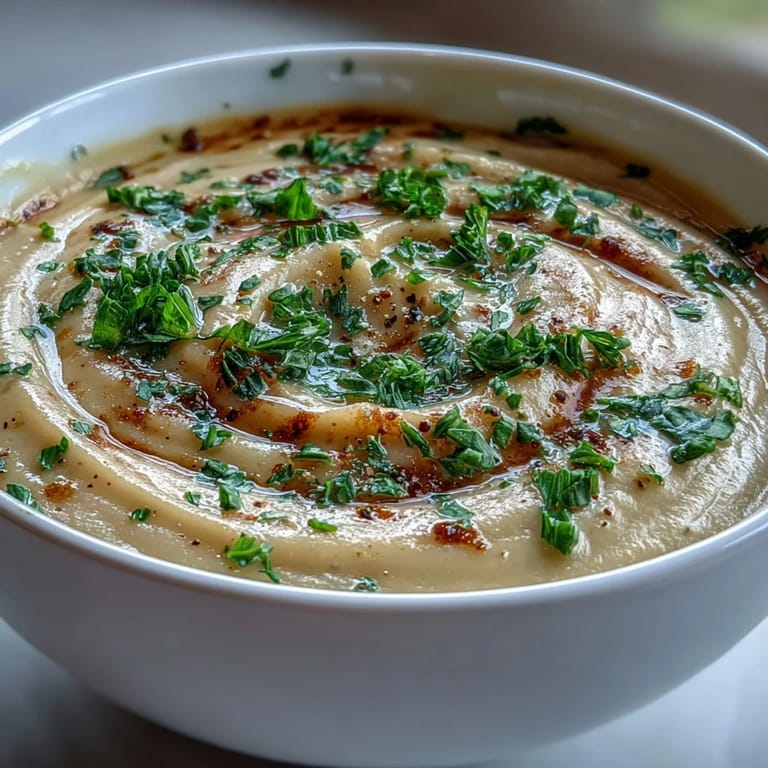
Save There's a moment when you stir in those fresh herbs and the whole thing transforms from a simple roasted vegetable soup into something that feels almost alive. That's when someone always walks into the kitchen asking what smells so good.
Roasting Makes the Difference
Roasting parsnips instead of boiling them is genuinely the difference between a soup that tastes nice and one that tastes like you spent hours developing the recipe. The dry heat of the oven caramelizes the natural sugars, creating layers of flavour that you just can't achieve by simmering alone. I learned this by accident the first time, forgetting to turn on the oven and throwing everything into a pot instead, and the result was pale, slightly bitter, and forgettable.
Why the Herbs Matter More Than You Think
Fresh herbs stirred in at the very end aren't just decoration, they're actually what makes you want to come back for another spoonful. The moment they hit the warm soup, they release their oils and brightness, cutting through the richness and making the whole thing feel fresh even though it's a comforting, creamy soup. I used to think it didn't matter whether I added dried herbs or fresh ones, but once I switched to fresh, I never went back.
Serving and Pairing Ideas
This soup works beautifully as a starter before something slightly richer, or as a main course on days when you want something nourishing but not heavy. A slice of crusty bread for dipping, or a side salad with peppery leaves and a light vinaigrette, turns it into something that feels complete without needing anything more.
- If you're making it vegan, plant-based milk works just as well, and the soup is naturally suited to a dairy-free diet.
- A tiny pinch of nutmeg stirred in near the end adds an almost imperceptible warmth that makes people wonder what the secret ingredient is.
- Leftover soup keeps beautifully in the fridge for three days and actually tastes even better once the flavours have had time to settle.
 Save
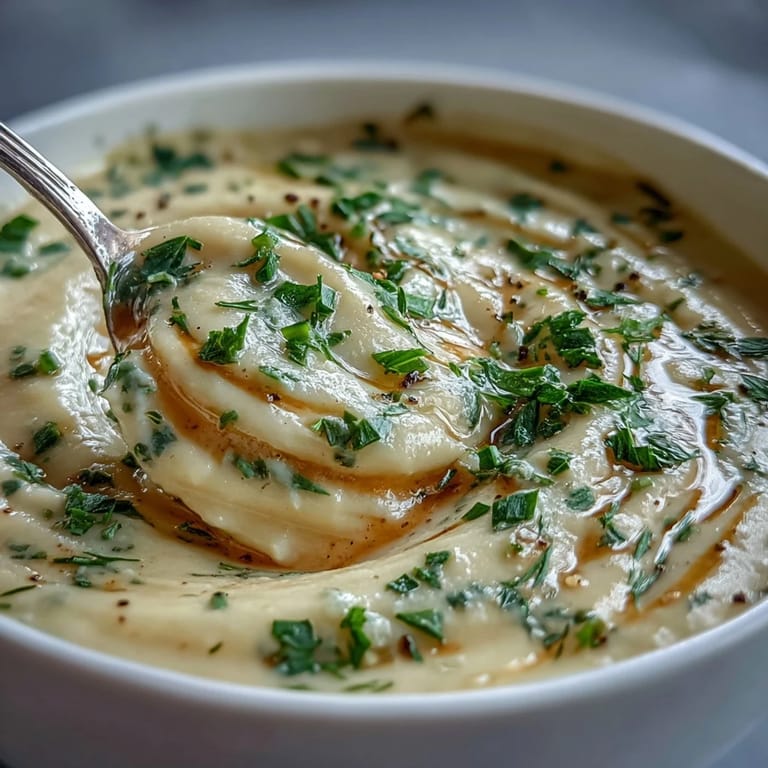
Save This is one of those recipes that sits somewhere between everyday cooking and the kind of thing you'd serve with real pride. Once you've made it once, it becomes part of your regular rotation.
Recipe FAQs
- → Can I freeze this soup?
Yes, blend and cool completely before freezing. Store in airtight containers for up to 3 months. Thaw overnight and reheat gently, adding fresh herbs after warming.
- → What's the purpose of roasting first?
Roasting caramelizes parsnips' natural sugars, deepening flavor and adding subtle sweetness that boiling alone cannot achieve. This extra step creates restaurant-quality depth.
- → Can I substitute the potato?
Cauliflower or additional parsnips work well. Potato provides creaminess without overwhelming flavor, but alternatives yield equally satisfying results with slightly different textures.
- → Which herbs work best?
Parsley, chives, and dill offer classic pairing. Tarragon, basil, or cilantro create interesting variations. Add tender herbs after cooking to preserve their bright, fresh character.
- → How do I adjust consistency?
For thicker soup, reduce milk or add more potato. To thin, increase stock. The velvet texture emerges from thorough blending—don't rush this step for silkiest results.